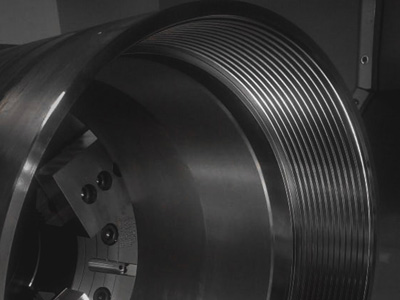
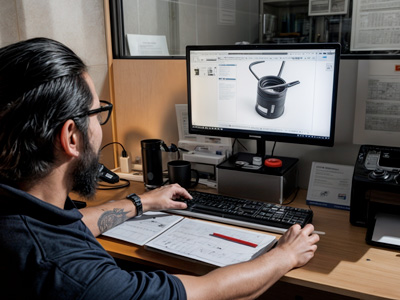
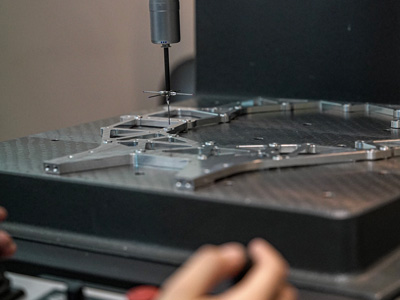
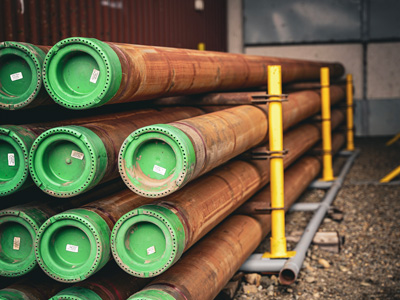
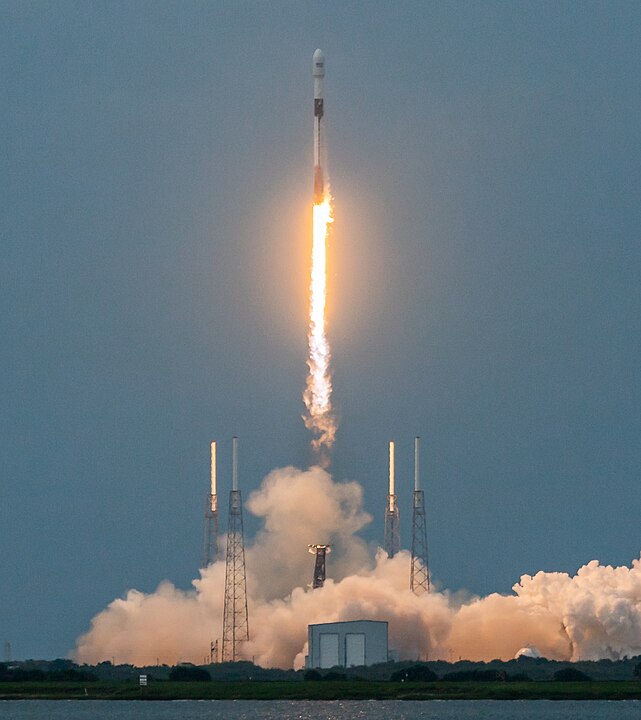
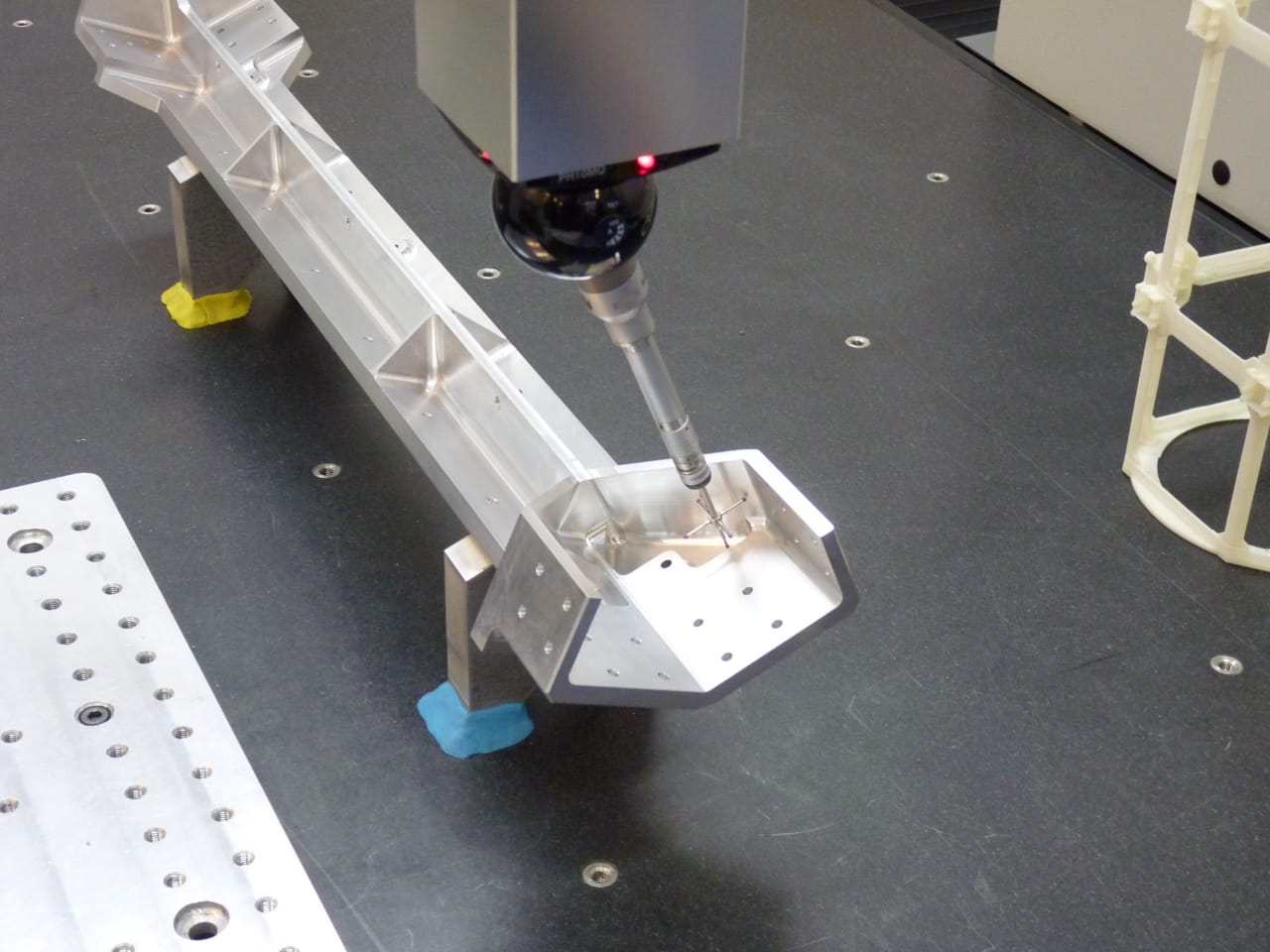
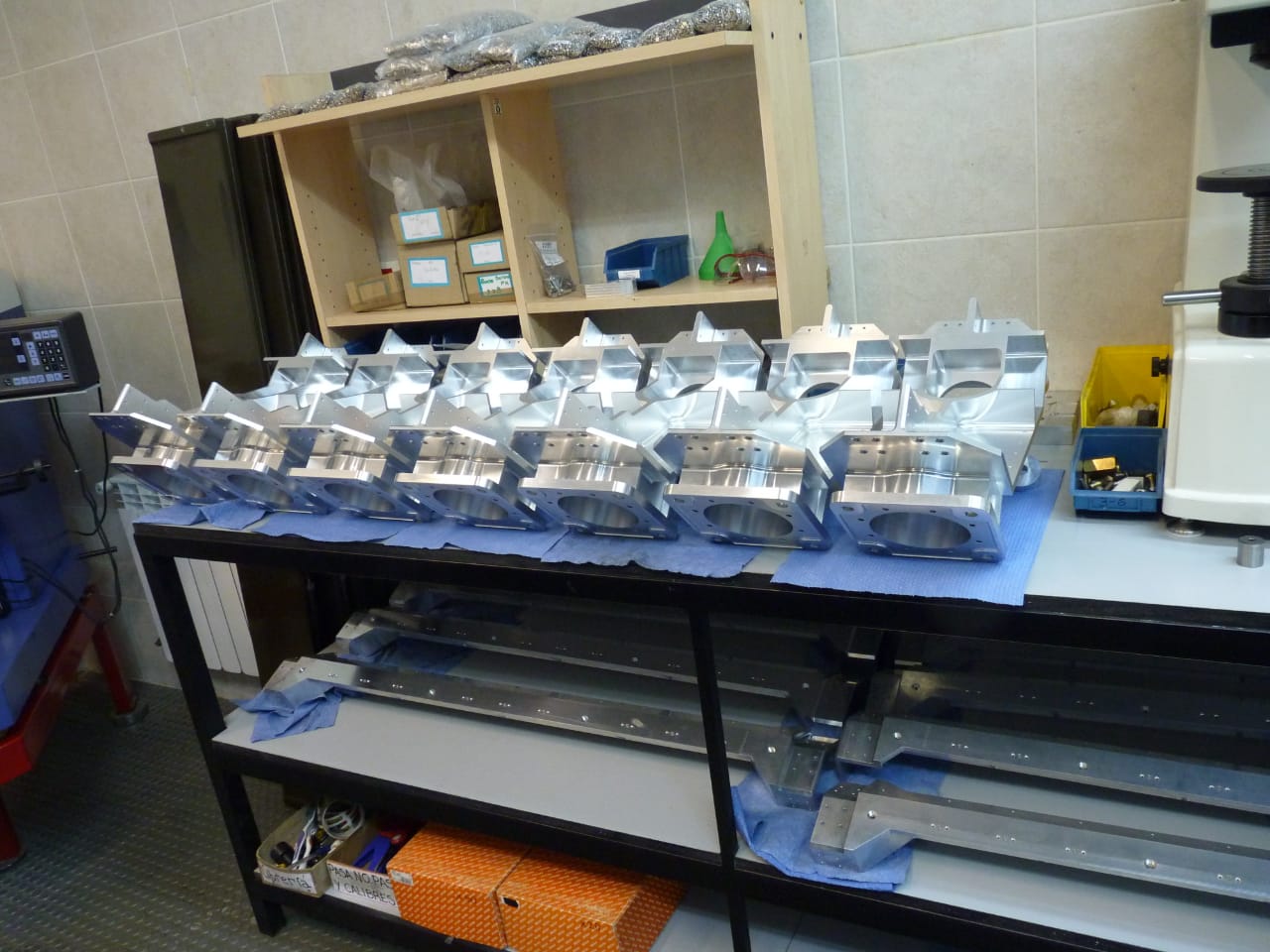
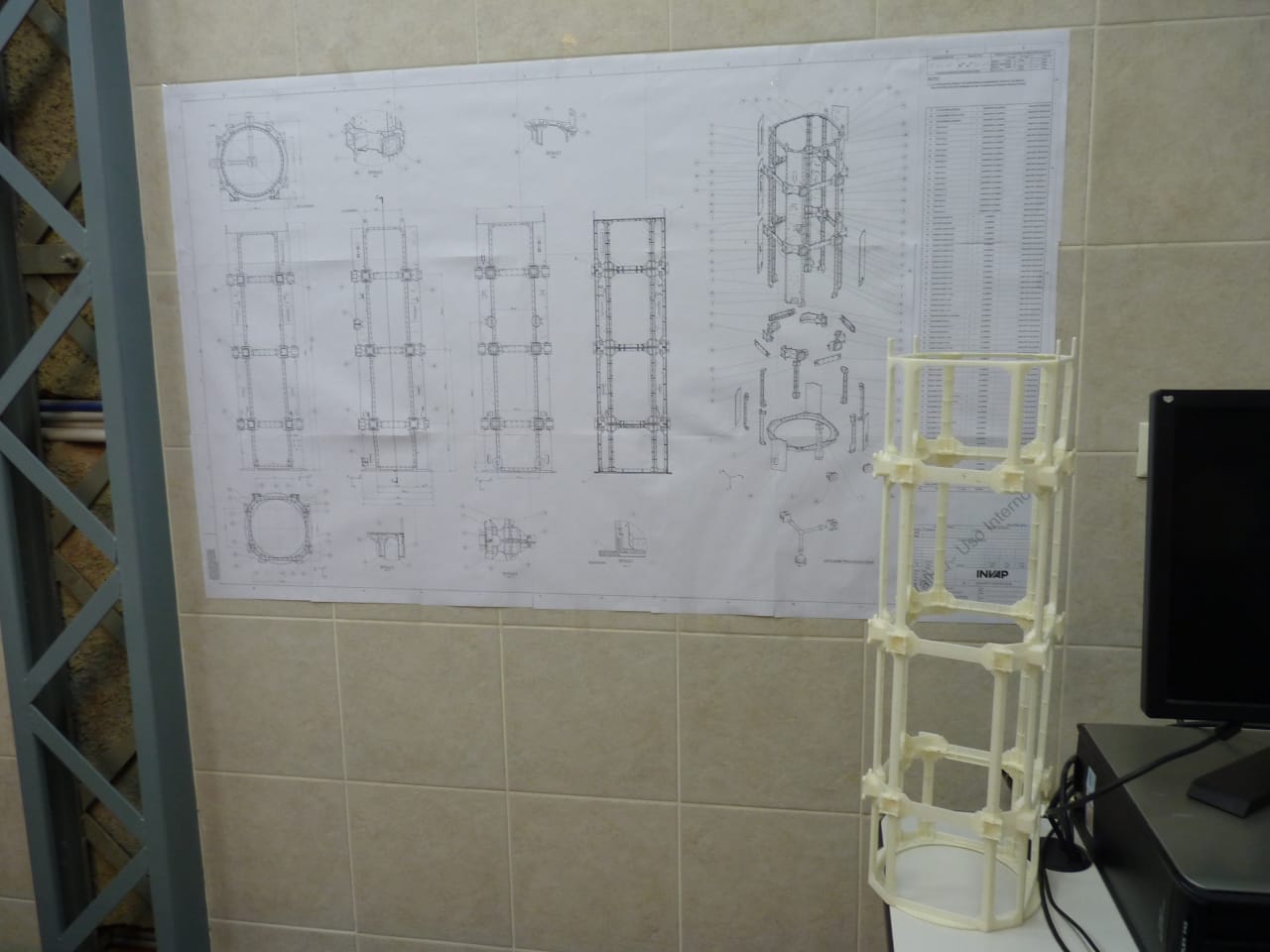
We bring knowledge, expertise, and innovation to the national aerospace sector, ensuring the highest quality in every part and mechanism manufactured.
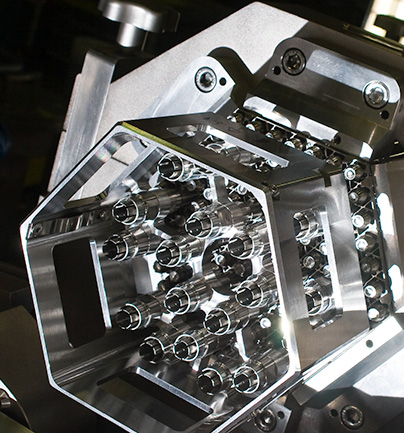
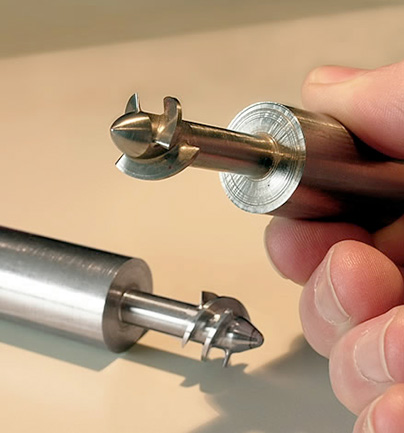
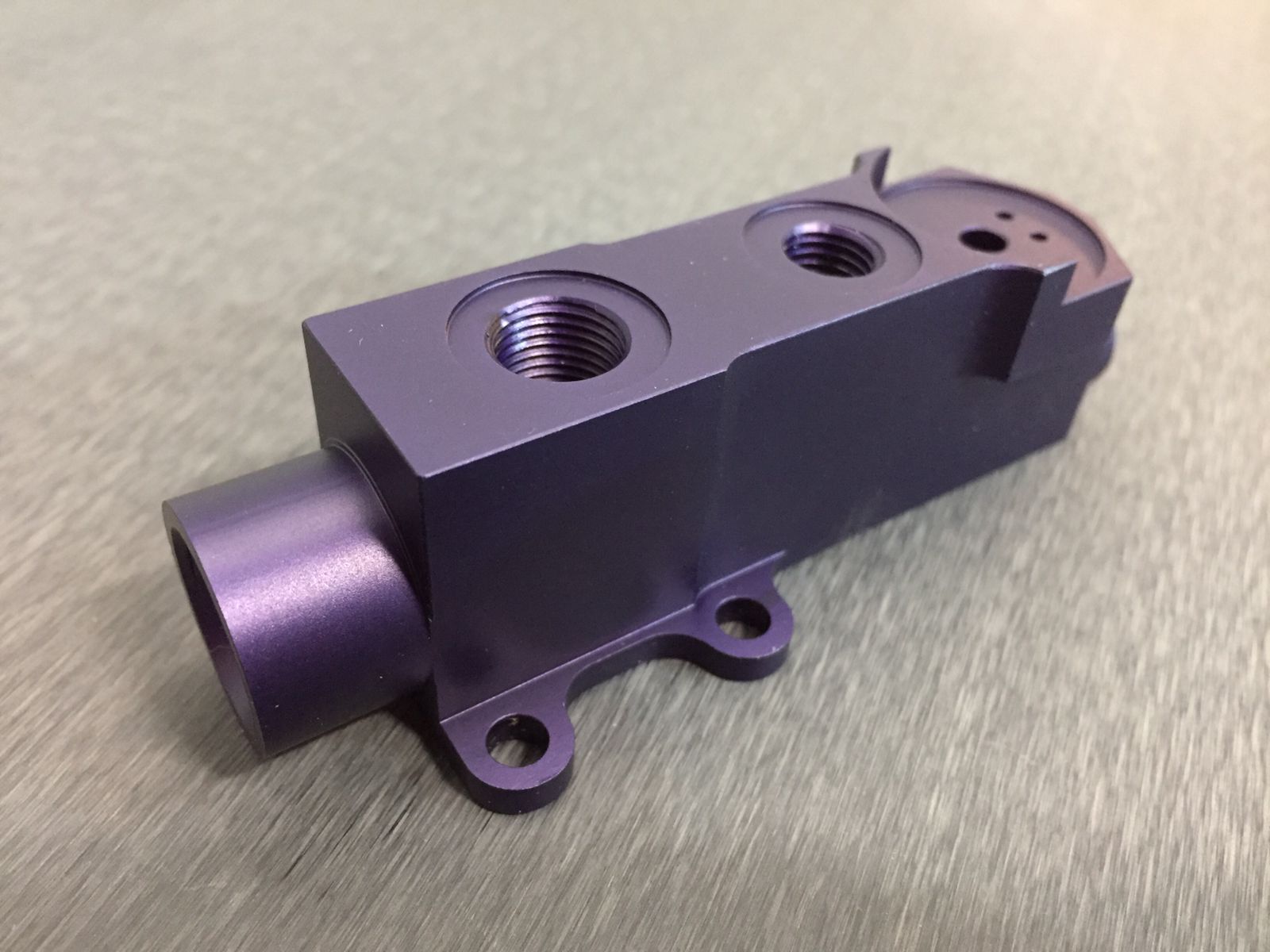
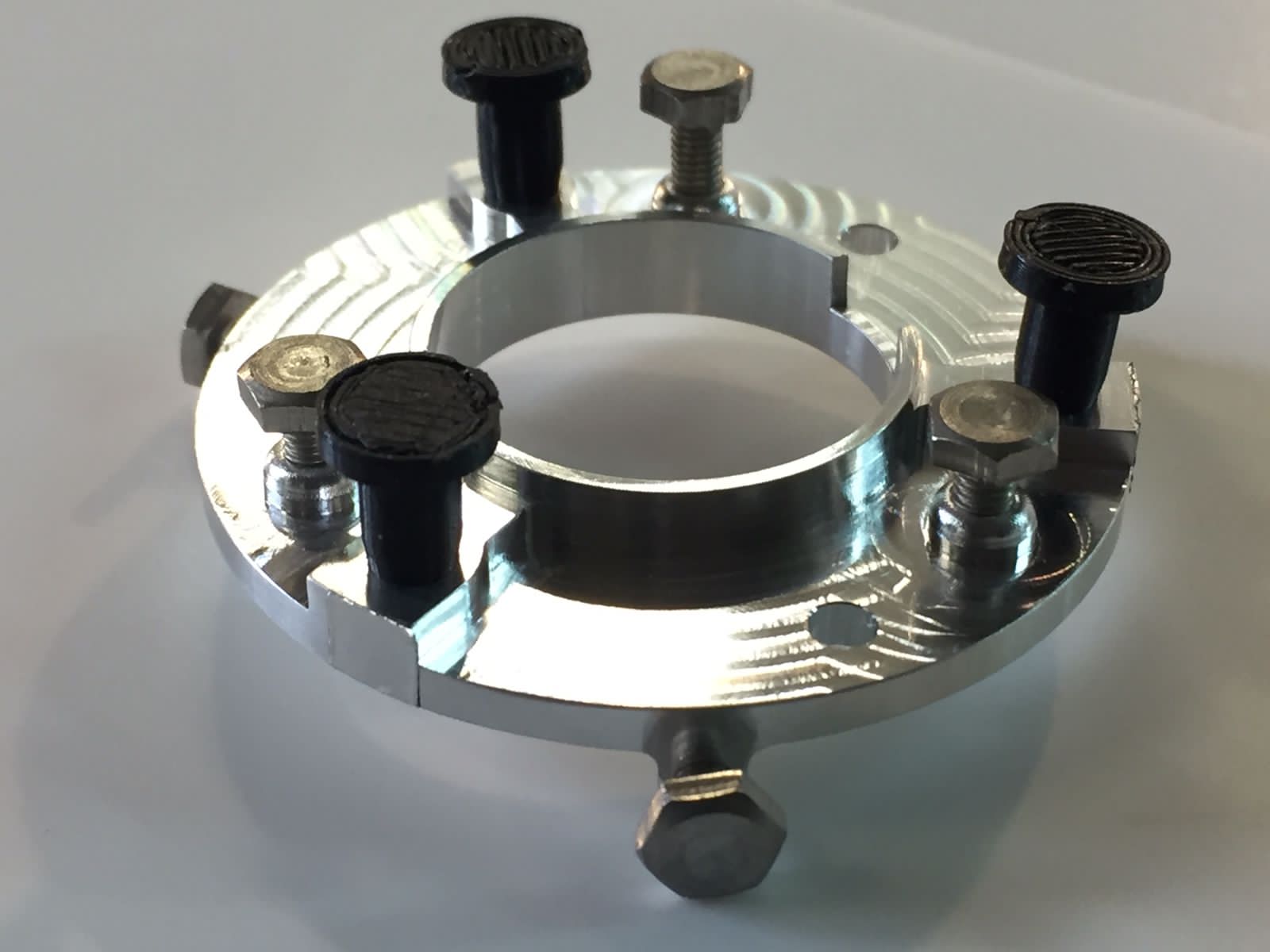
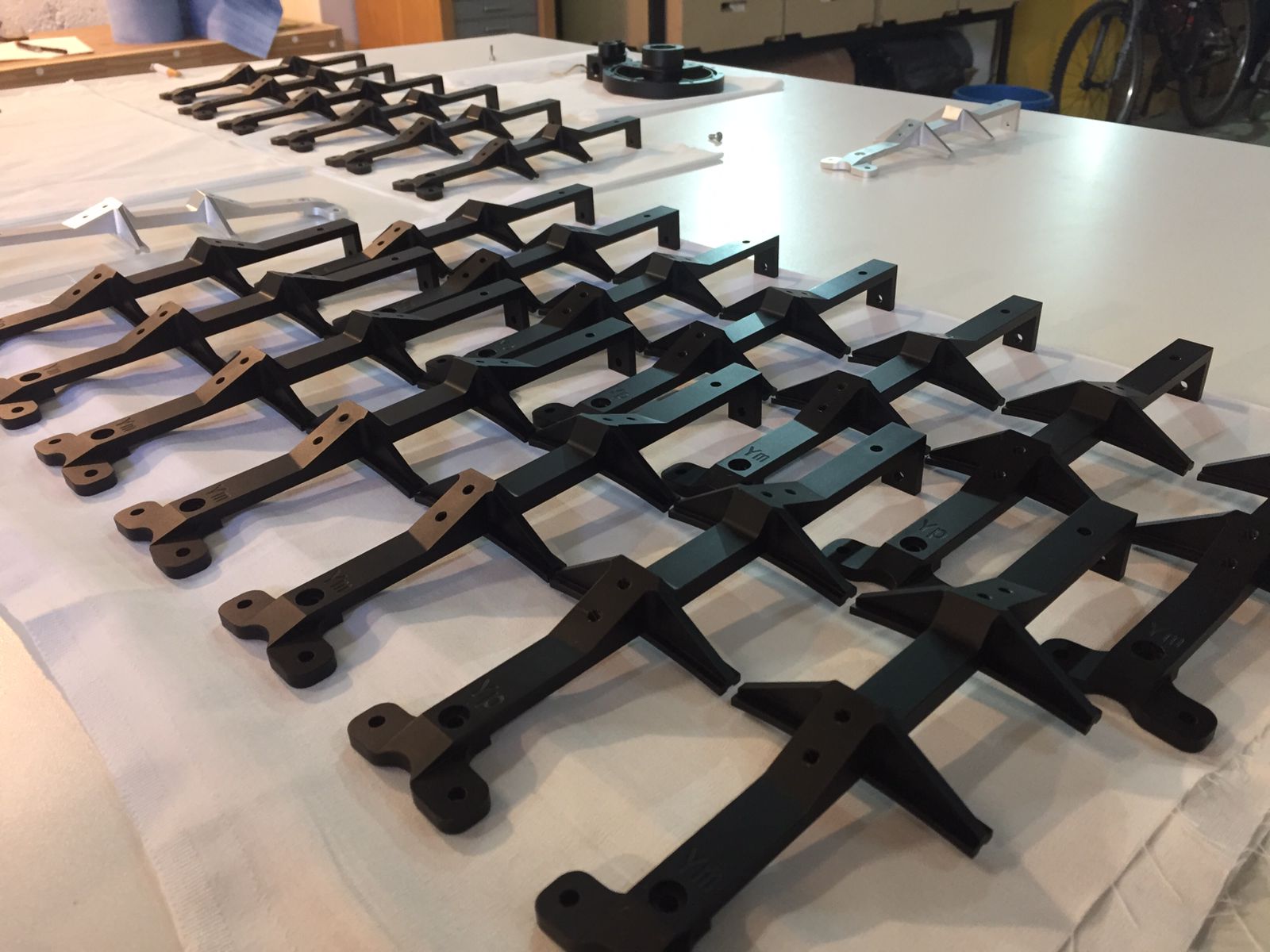
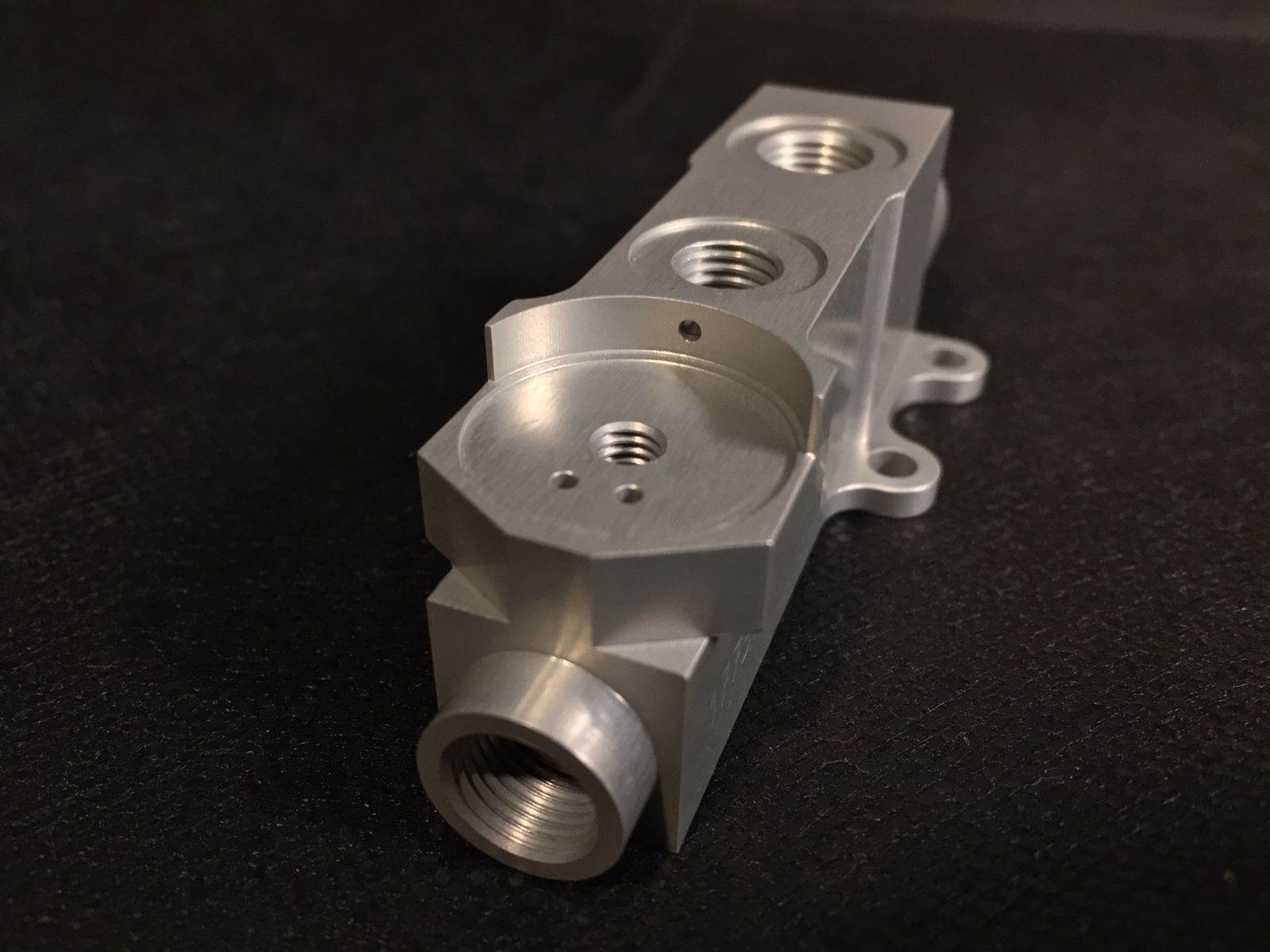
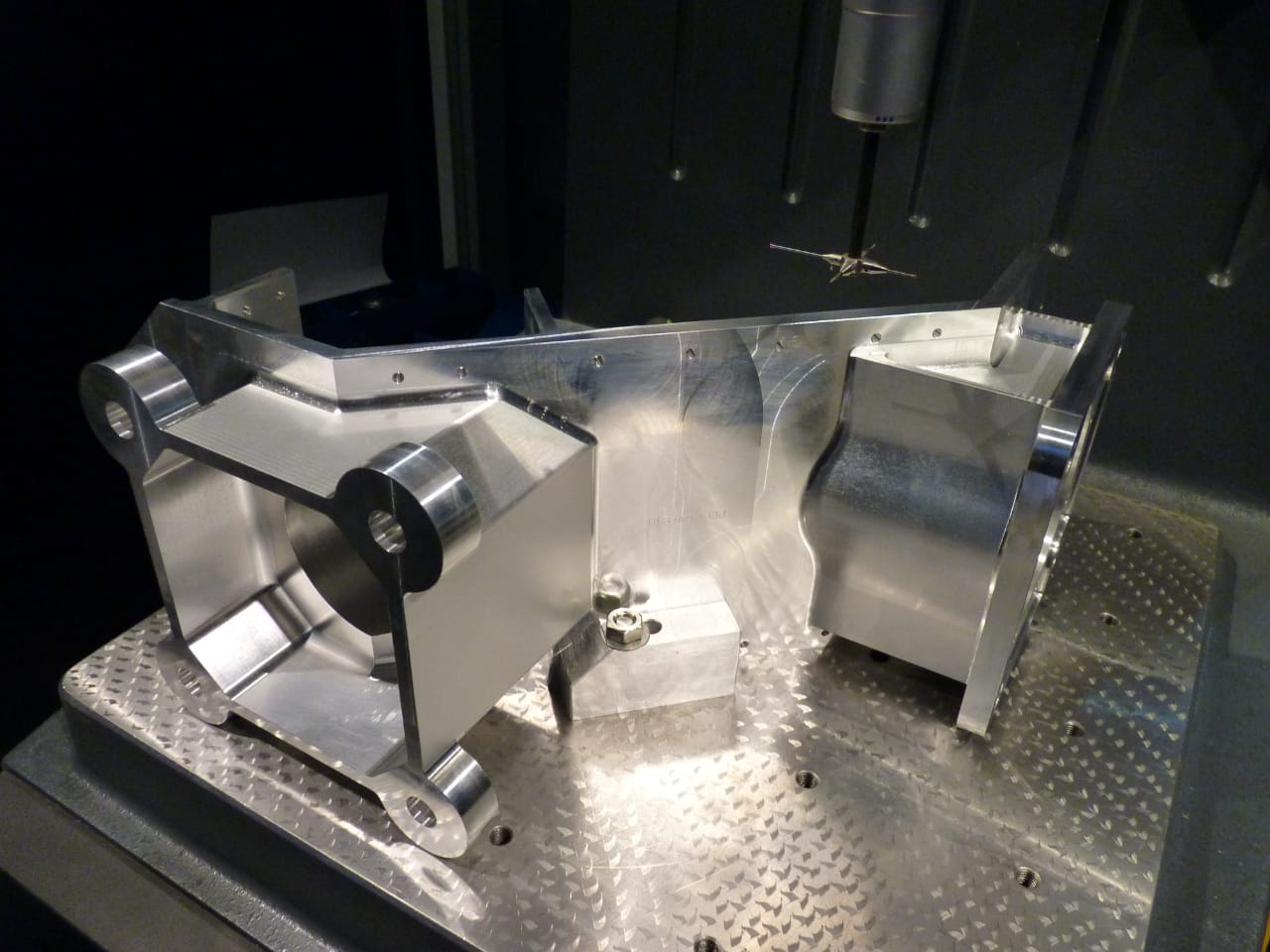
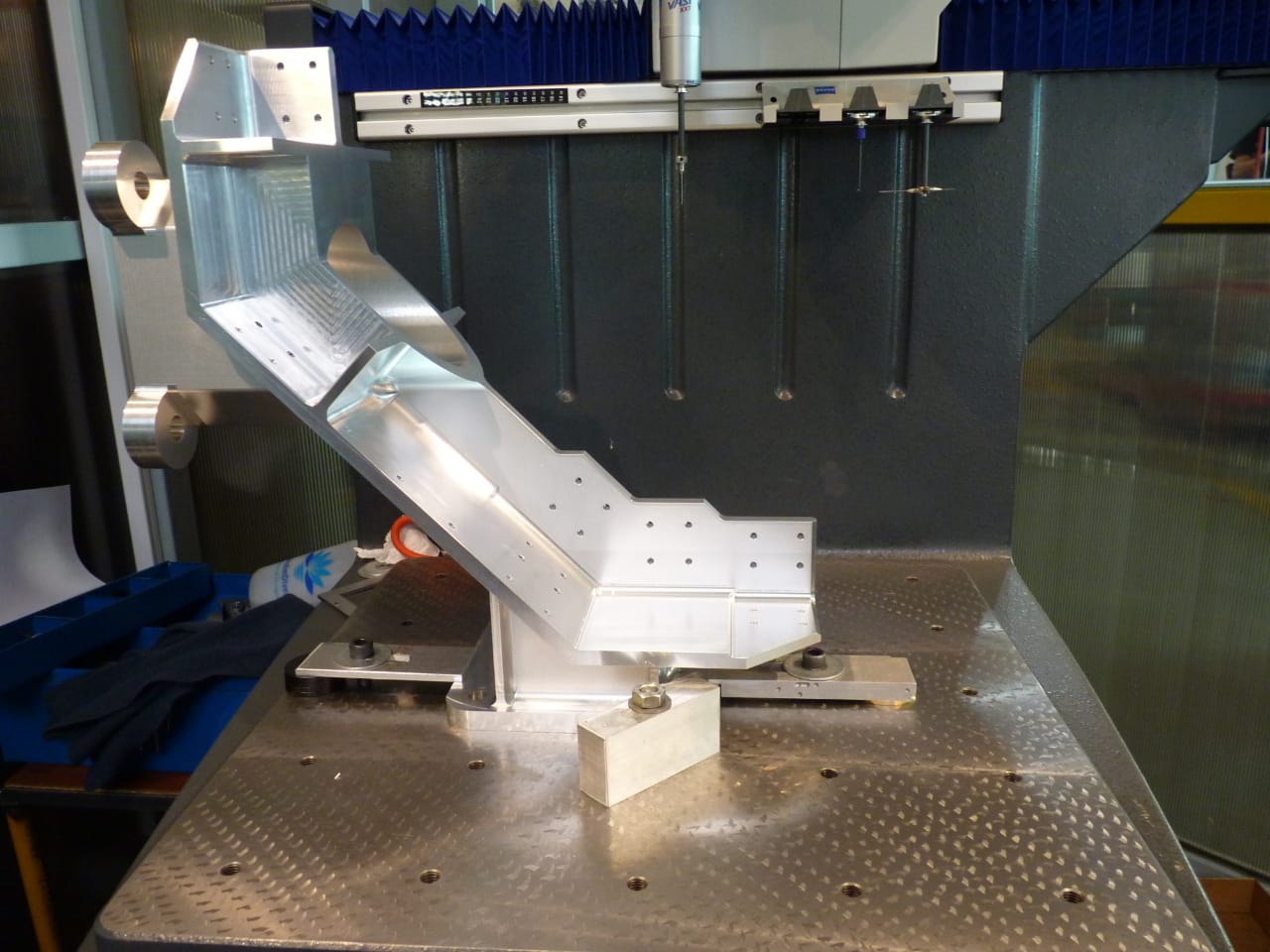
Our experience includes the manufacturing of optical parts, panel opening and closing hinges, pyrotechnic separation rings, and propulsion elements, among others, where precision and reliability are essential.
— LOW ORBIT SATELLITES
We collaborate strategically with our clients in the design and manufacturing of critical parts and mechanisms for low orbit satellites, ensuring precise and reliable solutions.
Mecánica 14’s involvement: Manufacturing of components for electronic enclosures using conventional machining technology, marking its entry into the aerospace sector.
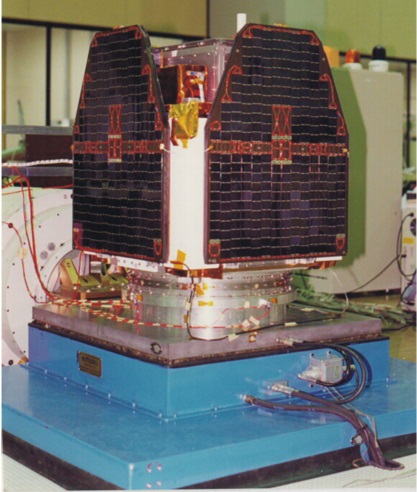
The SAC-B was an Argentine satellite developed in collaboration with NASA to study solar flares, X-rays, gamma rays, and high-energy neutral atoms. Although the satellite failed to deploy in orbit due to a malfunction in the Pegasus rocket, all systems functioned correctly, marking a milestone in Argentine space engineering. (Wikipedia)
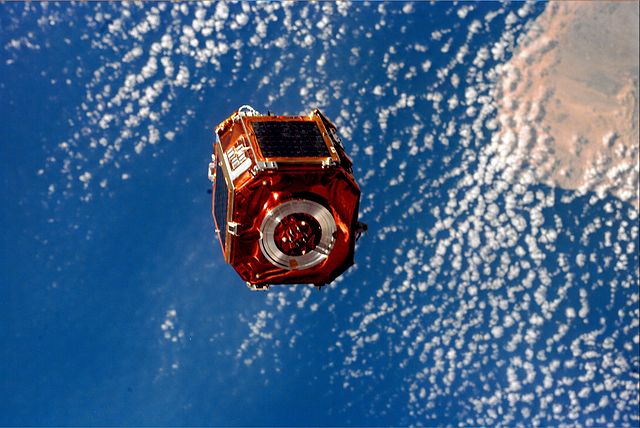
De NASA - http://spaceflight.nasa.gov/gallery/images/shuttle/sts-88/html/s88e5161.html, Dominio público, https://commons.wikimedia.org/w/index.php?curid=3211182
— SAC A
Mecánica 14’s involvement: Manufacturing of critical structural components and electronic enclosures for the flight model. The first CNC technology was incorporated and titanium machining was initiated, achieving the production of the flight model in a record time of 7 months.
The SAC-A was an Argentine experimental satellite designed to test optical and energy technologies, data transmission systems, and ground control, serving as a test platform for future missions such as the SAC-C.
Mecánica 14’s involvement: Development of specific processes for the manufacturing of optical system components, for both the test and flight models. This project drove the modernization of the metrology laboratory and the creation of a specialized area with advanced technology.
The SAC-C was an Argentine Earth observation satellite whose primary objective was to study environmental conditions and the terrestrial and marine biosphere. Equipped with a multispectral scanner developed by CONAE, the satellite also carried payloads from NASA and other space agencies.
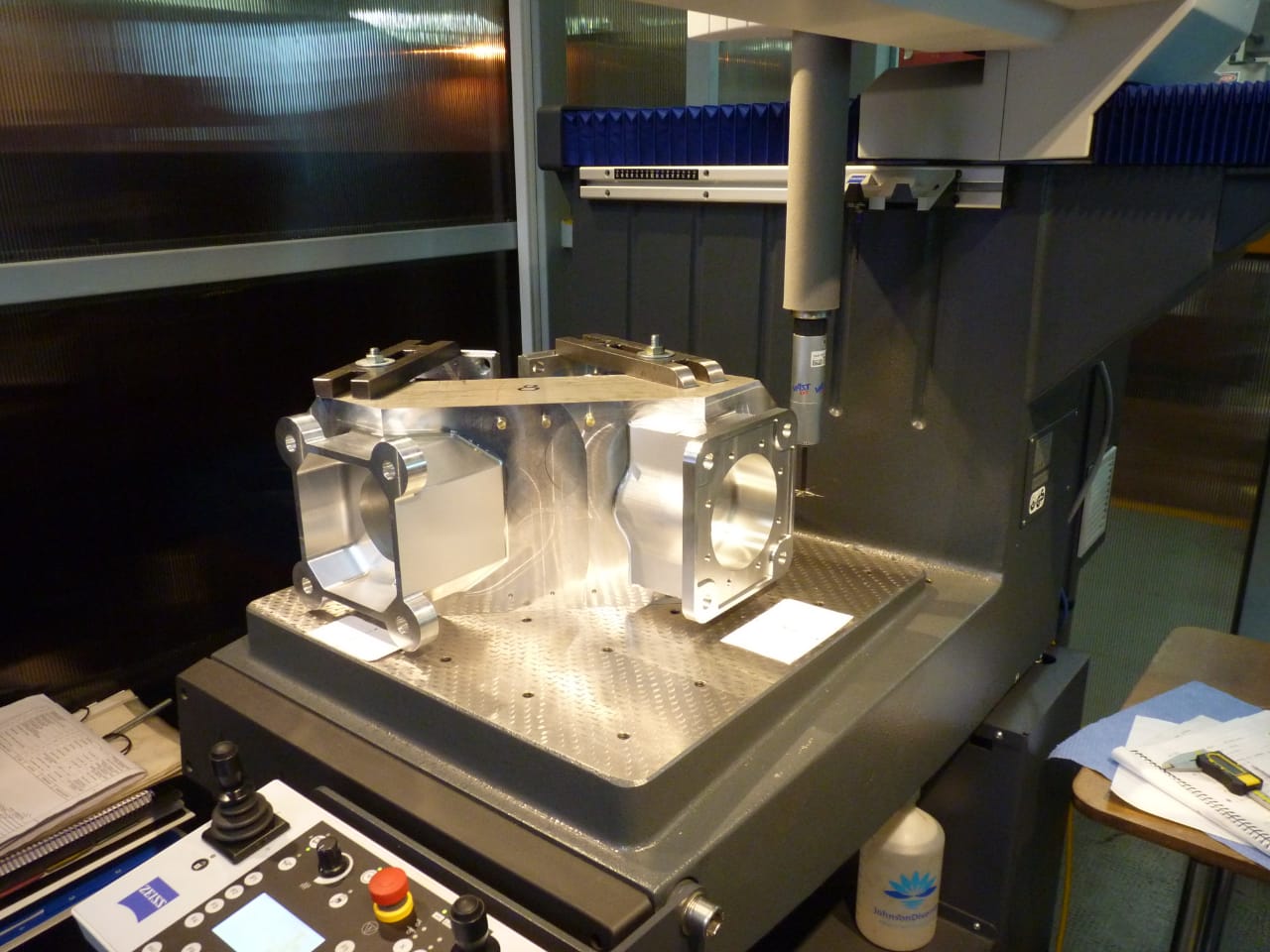
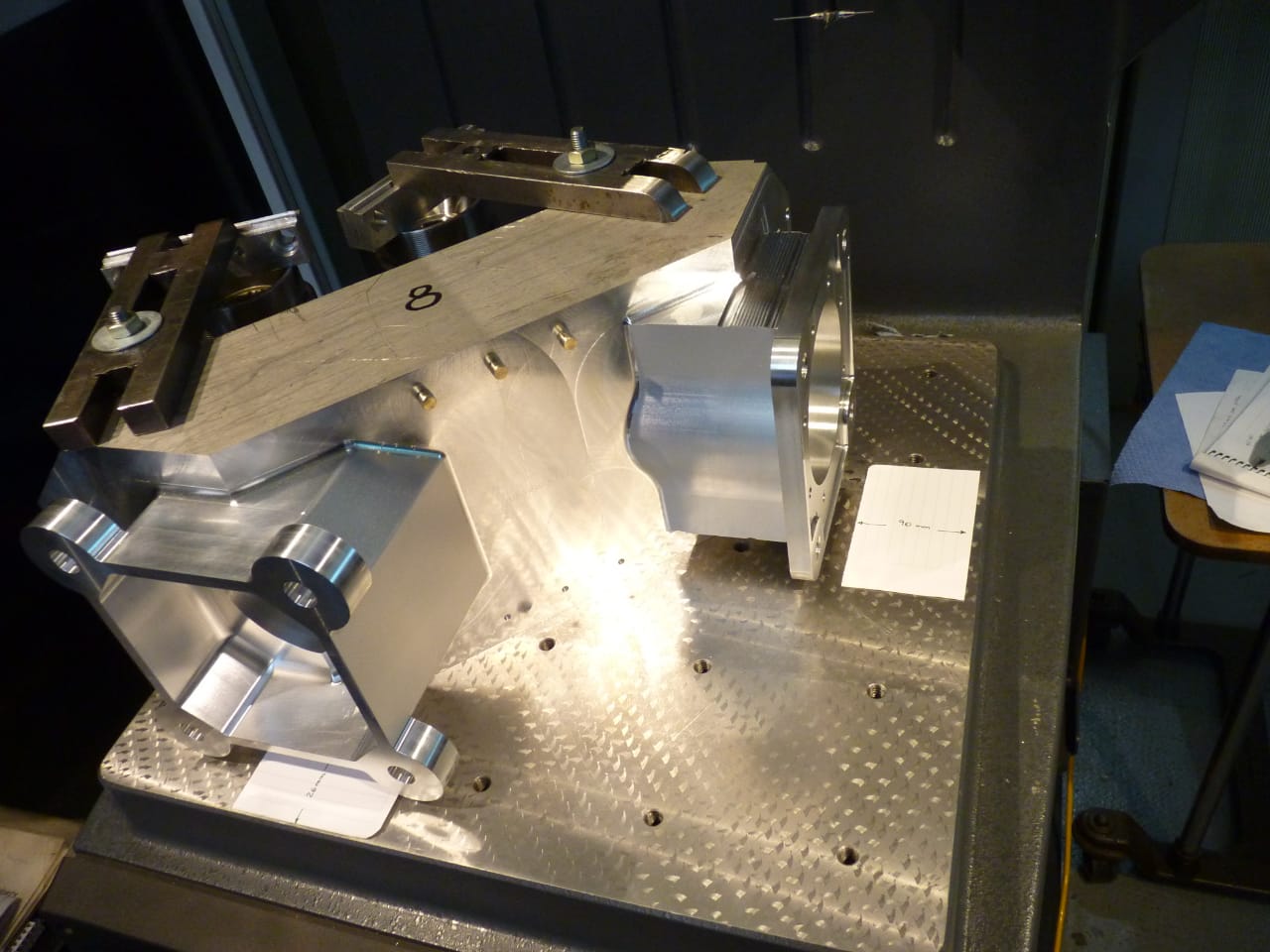
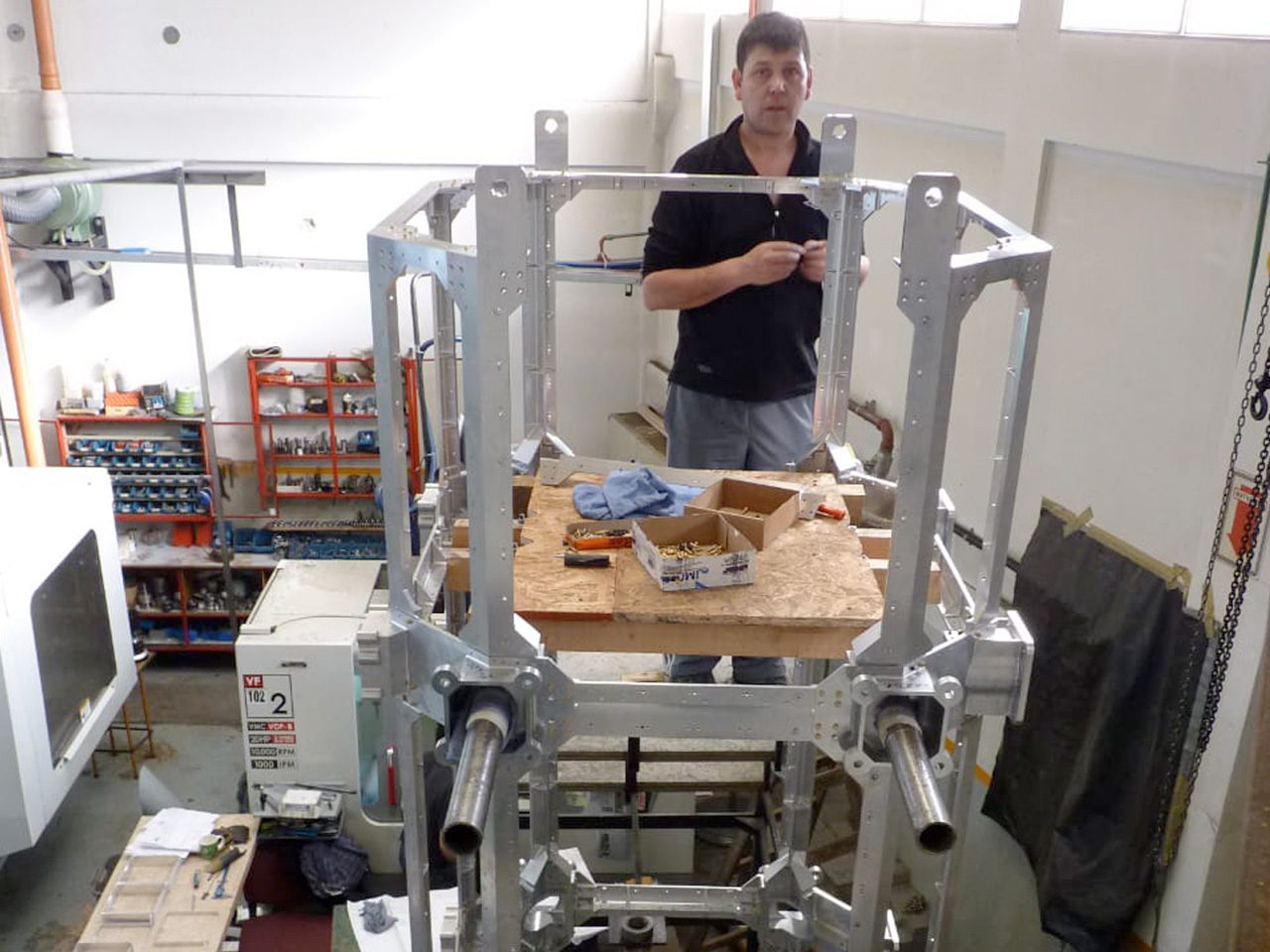
Mecánica 14’s involvement: For this generation of satellites, Mecánica 14 faced a qualitative and dimensional leap in component manufacturing. Five-axis machining technology and wire EDM processes were incorporated, especially for titanium parts.
Argentine satellite developed in cooperation with NASA for global climate observation. Its main instrument, Aquarius, measured ocean surface salinity, and together with other sensors, studied phenomena such as wildfires, volcanism, and thermal variations of the Earth. It was launched in 2011 and provided key information for environmental monitoring.
Mecánica 14’s involvement: Dedicated areas were developed for the machining and assembly of composite materials, along with new dimensional control tools, such as measurement arms and 3D scanning systems.
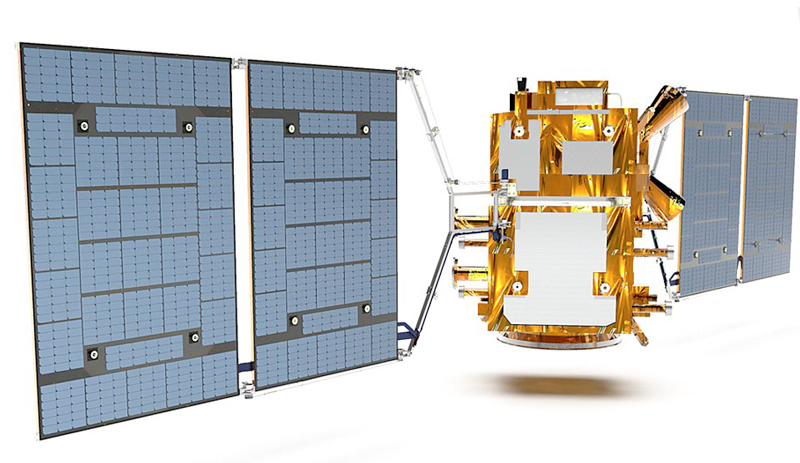
Part of an Earth observation constellation equipped with L-band synthetic aperture radar (SAR). Its objective is to measure soil moisture, detect floods, support Argentine agriculture, and manage emergencies. It is one of CONAE’s most ambitious satellite projects and is part of the Italian-Argentine Satellite System for Emergency Management (SIASGE).
Mecánica 14’s involvement: New advances made it possible to manufacture large, complex parts while meeting the highest precision and quality standards required in the aerospace industry.
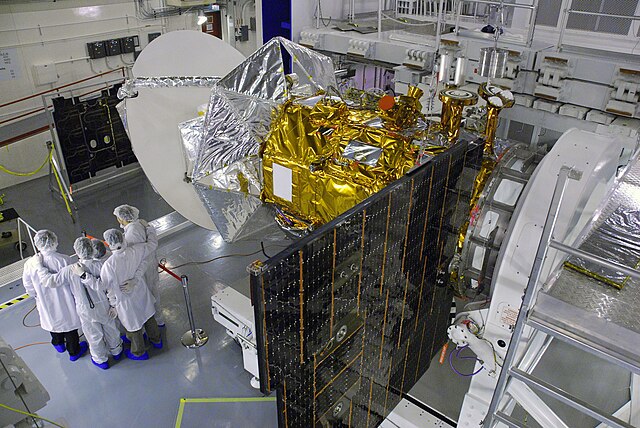
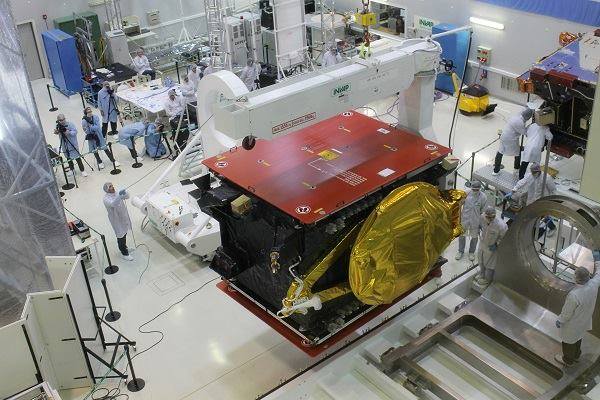
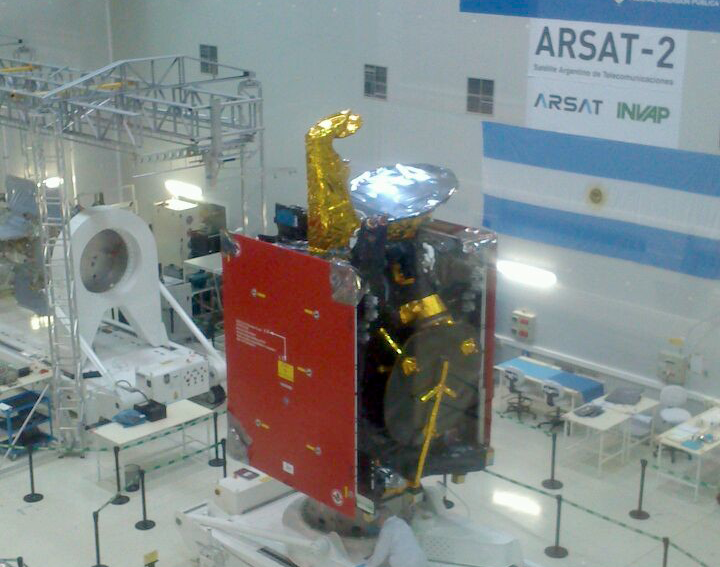
First geostationary communications satellites designed and manufactured entirely in Argentina. They provide television, telephone, and internet services throughout the Americas. They operate in the Ku and C bands, and represent a milestone for the country’s satellite sovereignty in telecommunications.
SABIA-Mar (Satellite for Applications Based on Environmental Marine Information, previously known as Argentine-Brazilian Satellites for Environmental Marine Information, and originally called SAC-E by CONAE) is a future Argentine-Brazilian satellite constellation. The mission’s objective is to study the ocean biosphere, its changes over time, and how it reacts to and affects human activity.
It focuses on monitoring ocean surfaces, particularly studies of the ocean ecosystem, the carbon cycle, marine habitats, and mapping.
— NASA Letter
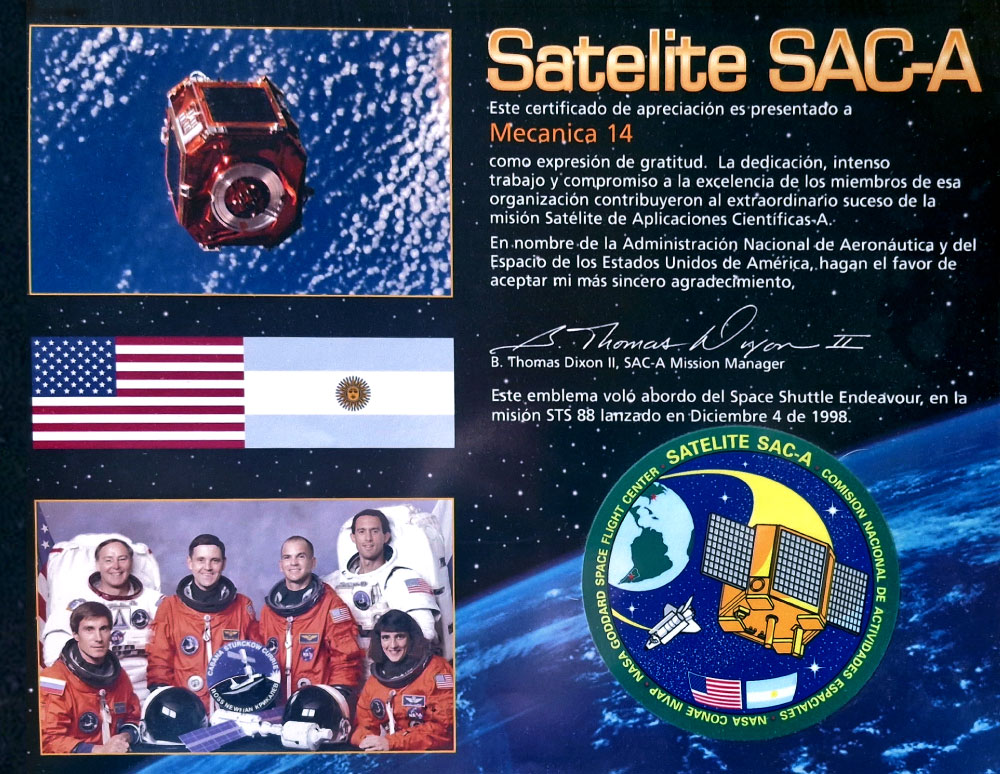
This certificate of appreciation is presented to Mecánica 14 as an expression of gratitude. The dedication, hard work, and commitment to excellence of the members of that organization contributed to the extraordinary success of the Scientific Applications Satellite-A mission.
On behalf of the National Aeronautics and Space Administration of the United States of America, please accept my most sincere appreciation.
B. Thomas Dixon II, SAC-A Mission Manager.
This emblem flew aboard the Space Shuttle Endeavour, on mission STS-88 launched on December 4, 1998.
Contact:
Address: Vuelta de Obligado 592 (R8400IWJ) Bariloche – Río Negro